Quick Family Bonding Activities for Busy Schedules
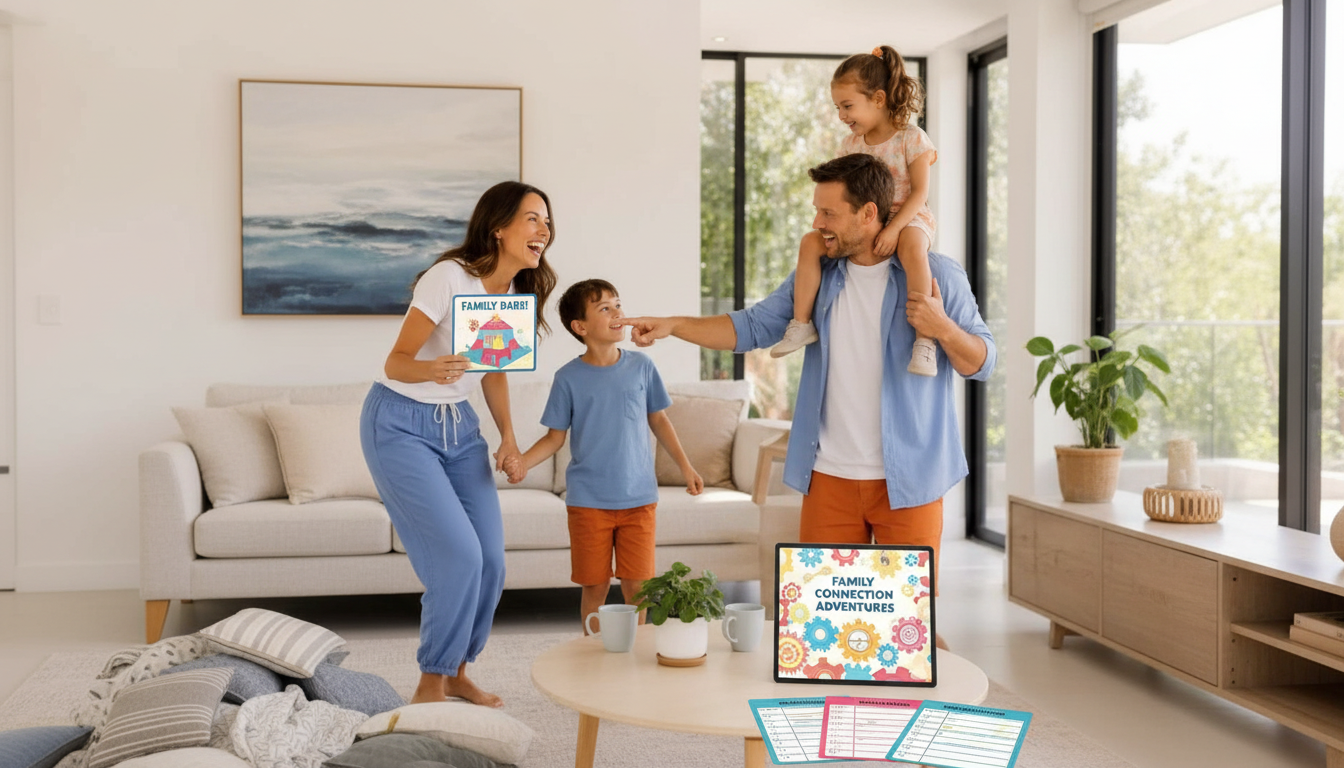
Stronger Together: Simple Family Activities That Fit Real Life
Family time feels lighter when it’s built from small, doable moments—not “perfect” big events that take planning, money, and ideal moods. The good news is that connection doesn’t require a spotless house, a crafted itinerary, or a screen to keep everyone entertained. What helps most is a repeatable set of quick activities and a simple way to remember what actually worked for your crew.
The Stronger Together: Family Bonding Pack is built for real schedules—at-home and outdoor options, minimal prep, and a family checklist that keeps decision fatigue low so connection can happen more often.
What makes family connection stick
Strong family bonds are usually the result of small patterns repeated over time. Research and parenting guidance often point to the same basics: reliable routines, responsive attention, and manageable expectations. (For a helpful overview, see the American Psychological Association on family routines and Harvard’s explanation of serve-and-return interactions.)
- Consistency beats intensity: short, repeatable rituals (10–20 minutes) build trust and closeness over time.
- Shared attention matters more than the activity itself: kids remember being noticed, not whether the craft was flawless.
- Low-pressure choices reduce resistance: offering two activity options prevents power struggles and keeps momentum.
- A mix of playful, helpful, and calm moments supports different moods: not every day needs the same “vibe” to count.
What’s included in the Stronger Together Family Bonding Pack
When time is tight, the hardest part is often starting. This pack is designed so families can pick something fast, do it with what they already have, and end on a good note.
- Printable at-home connection activities designed for kids and parents to do together with minimal setup.
- Outdoor activities that turn walks, parks, or backyards into shared challenges and conversations.
- A family time checklist that helps track what was tried and what felt best—without turning it into homework.
- An eBook-style guide that keeps ideas organized so families can choose quickly when energy is limited.
If your week is packed for financial or scheduling reasons, pairing connection time with practical planning can also help. Some households like to keep a separate “grown-up goals” download handy, such as Top 50 Side Hustles That Actually Pay, and then protect a small family ritual a few nights a week.
A simple way to use the pack (without over-scheduling)
A plan should reduce stress, not add another to-do list. A light structure is usually enough to make family time happen more often.
- Pick a weekly rhythm: choose 2–3 days for short connection time (after dinner, before bedtime, or Saturday morning).
- Use the “two choices” approach: let your child pick between two activities to increase buy-in.
- Keep a “done is enough” rule: aim for completion, not perfection—stop while it’s still positive.
- Rotate by mood: keep one calming option, one silly option, and one outside option ready to go.
At-home activities that work on busy days
Home connection works best when it blends into what’s already happening—snacks, tidying, bedtime, or a few minutes between errands.
- Conversation starters with a twist: use prompts during snack time or while folding laundry so it feels effortless.
- Mini team projects: build something with household items, create a “family flag,” or design a tiny obstacle course indoors.
- Kindness and gratitude moments: quick notes, “today I noticed…” compliments, or a shared jar of good moments.
- Cozy resets: read-aloud time, kid-friendly breathing, or a simple “high/low” check-in before bed.
For parents of younger kids, it can help to keep expectations simple and repeat what works—skills and emotional security grow through repetition. The CDC’s Essentials for Parenting is a strong reminder that calm consistency matters.
Outdoor connection ideas that don’t require a big outing
Outdoor time doesn’t have to be a “day trip.” Ten minutes outside can reset the mood and make conversation easier because everyone is side-by-side instead of face-to-face.
Quick-pick activity guide (choose by time, energy, and supplies)
| Best when you have… | Energy level | Where it works | Typical supplies | What it builds |
|---|---|---|---|---|
| 10–15 minutes | Low | Kitchen table / bedtime | None or paper | Conversation, emotional safety |
| 15–25 minutes | Medium | Living room / backyard | Tape, cups, markers | Teamwork, laughter |
| 20–40 minutes | High | Park / sidewalk | Ball or chalk | Movement, cooperation |
| 45+ minutes | Mixed | Home or outdoors | Basic craft items | Shared memories, persistence |
Make the checklist work for the whole family
Tips for different ages and family situations
Printing and setup for a smoother start
For a ready-to-go option that keeps everything organized, the Stronger Together: Family Bonding Pack is an easy way to keep a “next activity” choice on hand without scrolling or planning.
FAQ
What ages is the Stronger Together Family Bonding Pack best for?
The activities can be adapted from early childhood through preteens. Younger kids usually do best with shorter sessions and repetition, while older kids tend to engage more when they get extra choices and challenge-style prompts.
How much time does a typical activity take?
Most ideas fit into real-life windows like 10–15 minutes, 15–25 minutes, or 20–40 minutes. Choosing based on the day’s energy level (and the time you actually have) helps the routine last.
Do these activities require special supplies?
No—most options use common household items, with simple extras like paper, markers, tape, or sidewalk chalk if you want them. Keeping a small “activity kit” in one spot makes it even easier to start.











Leave a comment